

Salt in the Soil:
Tending Habits That Let Our Truest Selves Take Root
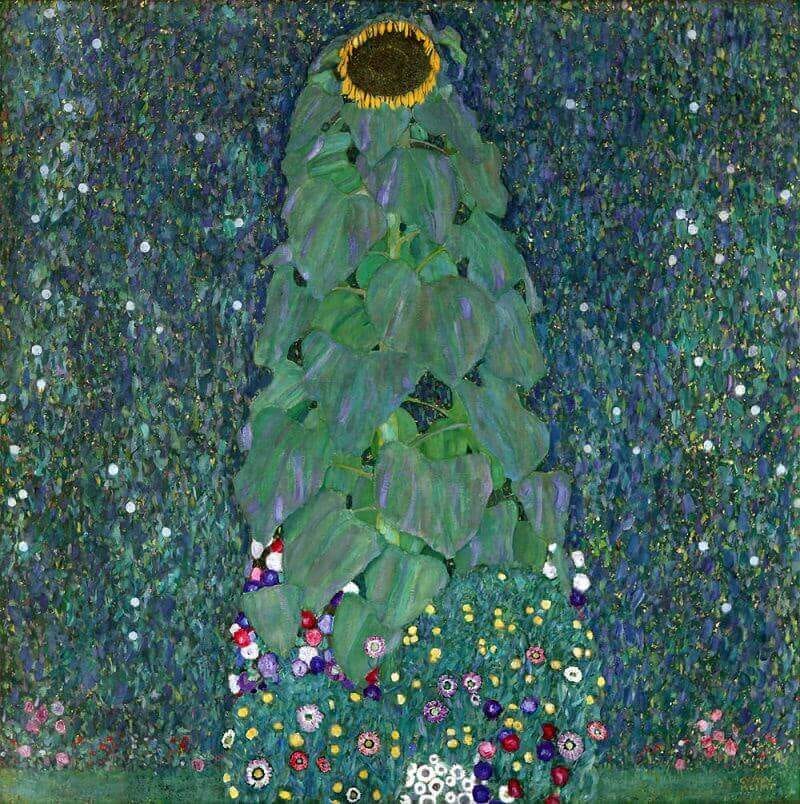
Few of us would stand over a garden with a measuring tape. We don’t shame a rose for the season it didn’t bloom or scold the soil for entering winter. We tend with care. We water, weed, wait—and the garden responds in its own time.
For years, I treated my body differently than I’d ever treat a garden. A small square on the bathroom floor told me who I was. Every morning the scale offered its number with the confidence of an oracle, and every morning I believed it measured my worth. I counted calories in and out, miles walked, the size of my jeans. I measured and worried until one day I simply gave up—resigned to believing nothing could change, and that I wasn’t worth the effort of trying.
Health and happiness became a destination somewhere past possibility.
My story happens to involve weight. Yours may not. Some bodies carry weight for medical reasons no habit can touch, and some people live in larger bodies with health, confidence, and joy. Weight has been a health issue for me, but it’s not a universal verdict. The story underneath—the one I suspect many of us share—is about what happens when life falls out of harmony and we reach for whatever helps us make it through.
For me, it unfolded gradually after my children were born, then all at once when 2020 arrived. The world narrowed to the walls of our homes. Uncertainty moved in like an unwelcome houseguest, and my already difficult marriage entered its most painful season. Food became comfort and distraction—the one dependable pleasure in a world that no longer held much joy.
When I look back at myself during that season now, I don’t see someone who lacked discipline. I see someone who was trying to survive.
I suspect that’s true for many of us. Human beings have always searched for ways to cope. We bury ourselves in work, scroll past midnight, drink more than we mean to, spend money we don’t have, or stay inside relationships that stopped helping us flourish long ago. Most unhealthy habits don’t begin in carelessness. They begin in hurt, exhaustion, loneliness, fear—in the effort of making it through another day.
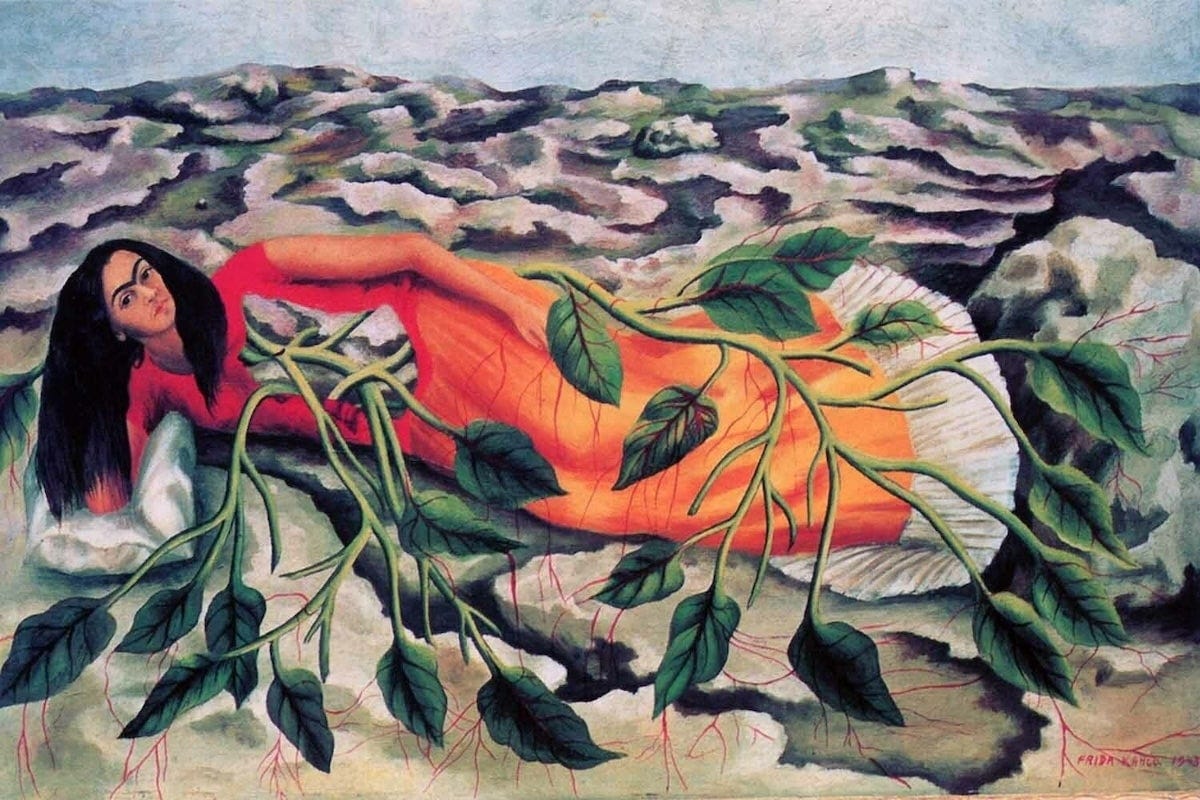
The difficulty is that whatever comforts us in the moment tends to have consequences later. Each unhealthy habit can become a vine that offers shade while its roots constrict our growth. Every time we lean on it instead of tending what lies beneath, it takes a little more of our health, confidence, or freedom.
Over the last few years, I’ve lost one hundred pounds, with a little further to go. I’m not in pursuit of impossible perfection. I simply want to feel as strong and alive as I’m able.
Somewhere along the way, I discovered the loss itself wasn’t the hardest part. The hardest part was learning to tend to myself with care instead of judging myself. The hardest part was letting go of shame.
Shame is salt in the soil.
It convinces us that we are the problem rather than people who’ve lived through problems, telling us that if we were stronger, wiser, or more disciplined, we wouldn’t struggle at all. Nothing grows easily in ground like that, and it’s nearly impossible to care for a body we’ve learned to resent.
Everything began shifting when I stopped asking,
“What’s wrong with me?” and started asking,
“What happened to me, and what would help me heal?”
Those questions traded judgment for curiosity—and curiosity made room for something new to be planted.
We tend to treat the body like a machine. When something breaks, we locate the faulty part, repair it, and expect everything to be fine. Modern medicine holds tremendous value, and I’m grateful for it. Our lives, though, don’t run like machines.
Our lives are more like ecologies—gardens respond to everything around them—the soil, the water, the climate, and the company of other living things.
We’re not so different. Our sleep impacts our hormones. Chronic stress reaches all the way into digestion. Loneliness changes our physiology—and so does joy. Friendship, meaningful work, movement, creativity, sunlight, nourishing food, purpose, grief, and love all leave their mark on the body.
Nothing in us grows in isolation.
A few years ago, health meant losing weight for me. Today I understand it as tending to the whole garden. Health has looked like calling an old friend and talking for hours, writing when the words inside me needed room to breathe, and walking the track at the gym because it clears my mind as much as it strengthens my legs. It has looked like laughing with my children, setting boundaries that guard my peace, and slowly building a life more honest than the one I was living before.
The body notices all those things and more.
When we finally set down one unhealthy coping mechanism, there’s a strong temptation to pick up another, as though the mind must always have something to lean on. Changing our lives isn’t only pulling weeds. It’s planting something new that can help us thrive—and returning daily to water it.
Truly, discipline isn’t punishment, but faithful tending—self-respect in motion. It’s the decision to care for our future selves even when our present selves would rather reach for comfort. It looks like choosing the walk when the couch is easier, cooking the meal when takeout calls louder, going to bed instead of staying up one more hour, reaching for a friend instead of withdrawing. None of it appears dramatic in the moment—gardens rarely do, until the day when everything blooms.
Every choice we make cultivates the soil our bodies live in.
I don’t want to spend the rest of my life fighting myself or my body. I want to live in partnership with my body—to nourish it well, strengthen it, allow it to rest, and listen when it speaks. I want to thank it for carrying me through seasons when I couldn’t care for it as I wish I had.
Health isn’t just the absence of illness. It’s the presence of conditions in which a whole life can grow. When body, mind, and spirit begin moving in the same direction, we don’t just feel better. We have more energy for the people we love, more courage for the work that matters, more freedom to inhabit our own lives—more of our truest selves finally shining through.
That kind of health isn’t built overnight, and it’s never built through shame. It’s grown, one compassionate choice at a time, season after season, until caring for ourselves stops feeling like an obligation and starts feeling like what it always was—tending the one garden we’re given and trusting what’s yet to bloom.
Women’s Perspective Live
Health deserves conversation more than conclusions. Every woman’s story is different, and there’s wisdom waiting in one another’s experiences when we listen with curiosity instead of judgment.
Join us Saturday, July 25, at 11:00 a.m. Central / 12:00 p.m. Eastern. 🌻
Why do so many of us try to improve our health by fighting ourselves? This Saturday on Women’s Perspective Live, I’ll be joined by my friend and cohost Stacy Orr, a gut health and wellness coach, special education consultant, and founder of Built Strong Fitness.
We’ll talk about the connection between shame, stress, nourishment, and sustainable change—and what becomes possible when we begin working with our bodies rather than treating them as the enemy.
Join us Live Saturday, July 25 at 12pm Eastern / 11am Central: https://open.substack.com/live-stream/289526?utm_source=live-stream-scheduled-upsell
All so deeply true Michelle. Tending to ourselves and our environment first and foremost. Something many of us were brought up being told was selfish. I'm learning to put myself first now. 💜💜💜